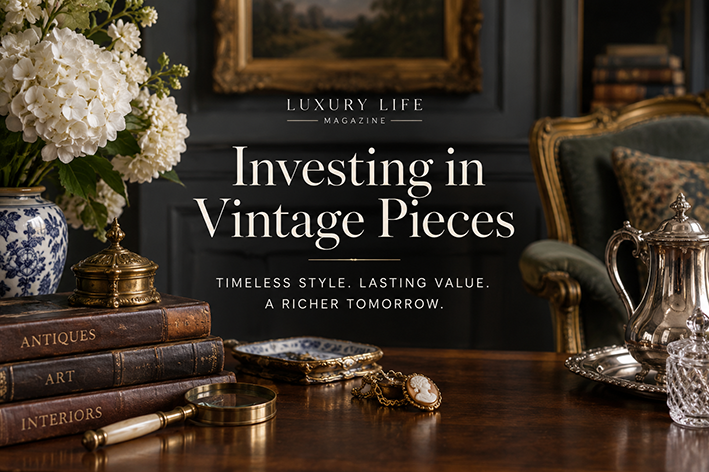
Why Timeless Vintage Pieces Are Worth Collecting
In a world of fleeting trends and mass production, a beautifully crafted vintage piece holds a special appeal. These items offer more than just function; they bring history, character, and lasting style into our lives. Investing in vintage isn’t just about buying old things; it’s about building a collection that shows off your personal taste and holds its value over time. From a striking piece of furniture to delicate jewellery, timeless objects connect us to the past and enrich our present.
More Than Just Old Items
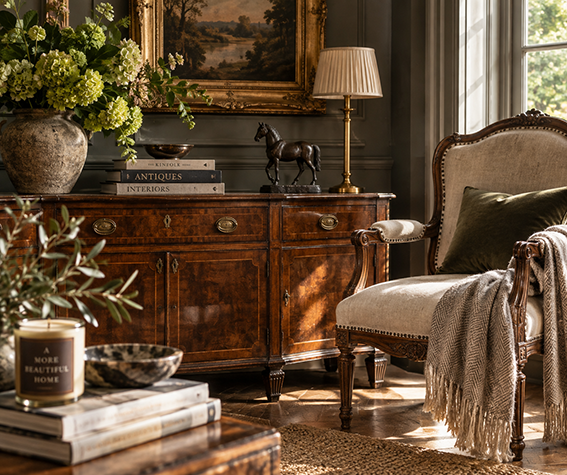
The charm of an antique goes far beyond its age. Each piece tells a story, a silent history of its previous owners and the time it was made. A hand-carved Georgian chair or a mid-century sideboard gives a room a unique soul that modern, mass-produced furniture simply can’t match. These items become conversation starters and focal points, adding layers of personality and sophistication to your home. Much of that appeal comes from the craftsmanship behind each piece, particularly when traditional techniques and attention to detail are difficult to replicate in mass-produced items. Choosing vintage is a deliberate step away from the generic and towards creating a truly individual space that tells your story.
Spotting Investment-Grade Antiques
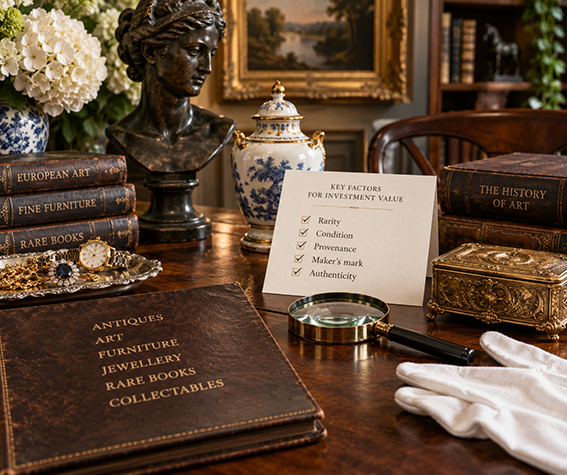
Not all old items offer the same investment potential. Spotting a piece likely to grow in value takes a sharp eye and some knowledge. Key things to look for include rarity, condition, provenance (the item’s ownership history), and the maker’s mark. Well-documented pieces from famous designers or workshops often fetch higher prices. Popular investment categories include classic furniture, fine art, rare books, and certain types of jewellery. If you want to learn more, excellent guides on the best antique investments can help you find promising areas. Authenticity is crucial, so always buy from reputable dealers or have items appraised if you’re unsure.
Caring for Your Cherished Collectables
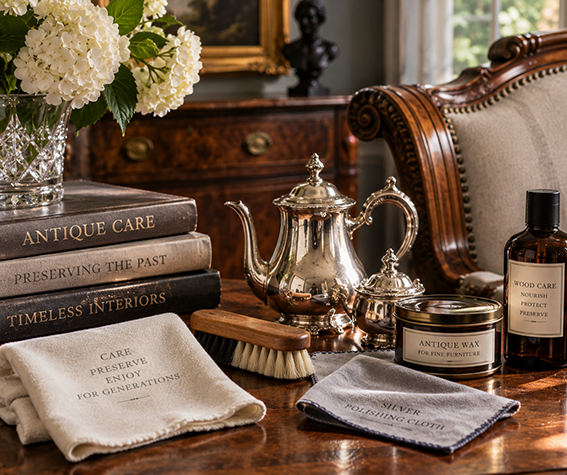
Once you’ve found a treasured piece, proper care is vital to keep its beauty and value for years. The right approach depends entirely on the material. For example, antique wooden furniture should stay out of direct sunlight and away from radiators to prevent warping and fading. Silver needs regular, gentle polishing with the right cloths to stop tarnish, while delicate textiles might need specialist cleaning. Staying informed about the best practices is key. Following news about the world of antiques can give you valuable tips on conservation techniques and trends, making sure your collection stays in top condition.
When Your Collection Evolves
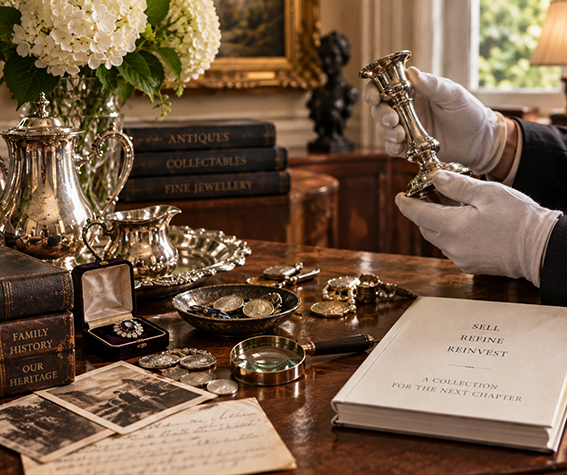
A collection is something that grows and changes with you. Over time, your tastes might shift, or you might inherit items that don’t quite fit your style. Letting go of certain pieces is a natural and healthy part of collecting. It lets you refine your focus and free up money for new finds. Maybe you’ve inherited silverware or coins you don’t want to keep. Instead of letting them gather dust, you can work with specialists who can assess their condition, metal content, and potential value. If you decide to sell your silver, a specialist dealer can provide a valuation and explain the options available, whether you’re parting with old jewellery, silverware, or a collection of coins. This can turn unwanted heirlooms into funds for new finds or other investments.
The Circular Economy of Luxury
Choosing vintage also makes a strong statement about sustainability. In a world struggling with throwaway culture, buying pre-owned items is an environmentally conscious choice. It extends the life of beautifully made objects, cutting down the need for new resources and reducing waste.
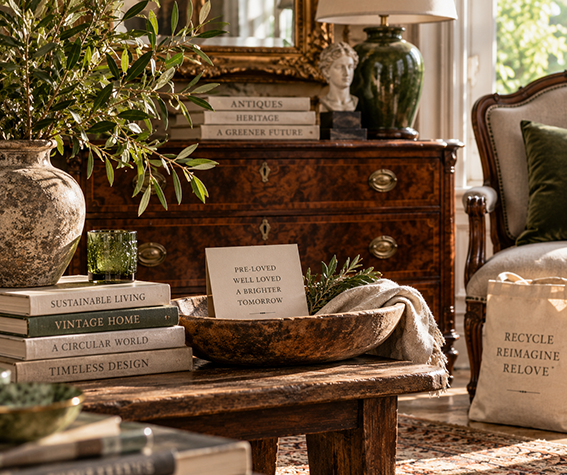
This participation in the circular economy means that quality and craftsmanship are valued over disposability. Each time an antique passes to a new owner, its story grows, contributing to a legacy of conscious consumption where timeless design is celebrated and preserved for future generations to enjoy.
Building a collection of vintage pieces is a rewarding journey that enriches your home and connects you to a wider history of design and craftsmanship. It’s an investment in beauty, quality, and a more sustainable way of living.