
Why Your Contracts Can Lose Value Long After the Deal Is Done
The final signature on a contract might feel like the finish line, but for smart business leaders, it’s really just the beginning. While getting the deal done is a huge step, a contract’s true value is either gained or lost in the weeks, months, and even years that follow. Making sure that what was promised actually gets delivered takes careful attention and a clear plan. Understanding the legal importance of contracts is the first step, but protecting that value over time is what sets successful businesses apart.
Many organisations pour tons of energy into getting the best terms, only to then file the document away and expect everything to fall into place. This oversight can be a costly mistake, turning a promising partnership or procurement deal into a drain on finances and a source of missed opportunities.
The Hidden Costs After the Handshake

Once a contract is signed, that feeling of accomplishment can sometimes lead to a lack of follow-through. This is exactly where value starts to disappear. For example, a supplier might have agreed to specific volume discounts that never show up on invoices, or a service provider could consistently miss agreed-upon performance targets without any consequences. These aren’t big, one-time problems; they’re small, ongoing losses that slowly eat away at your bottom line. Without actively managing these agreements, your business could be constantly overpaying or getting subpar service, completely undoing all those hard-won terms you negotiated.
Why Signed Contracts Silently Lose Value
This common problem is often called contract value leakage, where the financial benefits negotiated in a contract gradually fail to materialise. It can happen when agreed pricing isn’t applied, volume commitments and rebates aren’t tracked, service-level obligations aren’t monitored, or renewal dates pass without proper review.

Each incident might seem minor, but together they can significantly reduce the value a business expected to receive from a contract. Active contract management helps keep key terms visible, monitor supplier performance, and ensure that what was negotiated is actually delivered and paid for.
Key Areas to Monitor Post-Agreement
To stop value from slipping away, you need to be proactive about monitoring. This doesn’t mean completely overhauling your operations, but rather focusing on a few key areas. Start by creating a simple summary for each important contract, outlining the main responsibilities for everyone involved.
Here are the key things to keep an eye on:
- Deliverables and Deadlines: Are services and products arriving on time and meeting the agreed-upon quality?
- Pricing and Payment Terms: Are invoices correct? Are discounts, rebates, and special pricing being applied properly?
- Compliance and Reporting: Are all regulatory, security, and performance standards being met?
- Renewals and Expirations: Do you know about upcoming renewal dates so you have time to renegotiate or cancel?
Assigning clear ownership for tracking these elements is just as important as the tracking itself.
The Role of Technology in Safeguarding Your Deals
Trying to manually track dozens or hundreds of contracts is both inefficient and prone to errors. This is where modern technology really helps. Contract lifecycle management (CLM) platforms can help automate and centralise many parts of the process, turning a static document into something that can be actively monitored and managed.
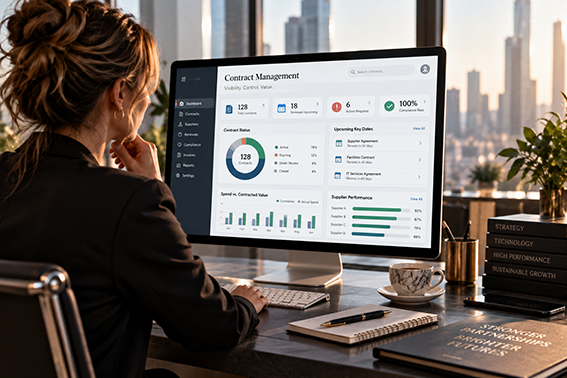
These systems can send automatic alerts for important dates, flag invoices that don’t match the agreement, and give you a central dashboard to see how all your agreements are performing at a glance. Technology is also transforming how physical assets and properties are managed, from connected building systems to automated monitoring.
The rise of smart buildings and IoT shows how digital tools can bring greater visibility and control to complex environments. By automating the administrative work, your team can spend their time on strategic relationship management and creating value, instead of chasing paperwork. This is crucial for long-term business planning and making sure agreements actually help you reach your goals.
Building a Proactive Contract Culture
Ultimately, protecting the value of your contracts isn’t just about processes and software; it’s about building a culture where everyone takes responsibility. When everyone, from procurement to finance and operations, understands their role in the contract’s life, the entire organisation becomes a safeguard against losing value.
This means making contract performance a shared responsibility and a key measure of success. It involves training teams to spot problems and empowering them to fix them quickly. When active contract management becomes a fundamental part of your company, you not only protect your profits but also build stronger, more transparent relationships with your partners and suppliers.
The effort you put into managing a contract after it’s signed is a direct investment in your business’s profitability and stability. By looking beyond just closing the deal, you ensure that every agreement delivers its full potential.