Sustainable Luxury Homes: How to Build Greener Without Sacrificing Style
The idea of a dream home is changing. Luxury is no longer defined only by beautiful interiors, generous spaces and premium finishes.
Increasingly, homeowners are also thinking about how efficiently their properties use energy, water and natural resources.
The good news is that sustainability doesn’t have to mean compromising on comfort or style. Many of the features that make a home greener can also make it more pleasant to live in. The key is making thoughtful choices from the beginning.
Why Green Building Matters Now
Sustainable living has moved firmly into the mainstream. For homeowners, that means looking beyond how a property appears and considering how it performs.
The principles behind green construction methods consider the whole life of a building. This includes its design and construction, as well as how it is operated and maintained.
There are practical reasons to take this approach.
Energy-efficient homes can require less energy for heating and cooling. Good ventilation and plenty of natural light can also create a more comfortable indoor environment.
For luxury homeowners, sustainable design shouldn’t feel like a restriction. Done well, it can enhance both the property and the experience of living in it.
Integrating Eco-Friendly Design
Some of the best sustainable decisions are made before construction begins.
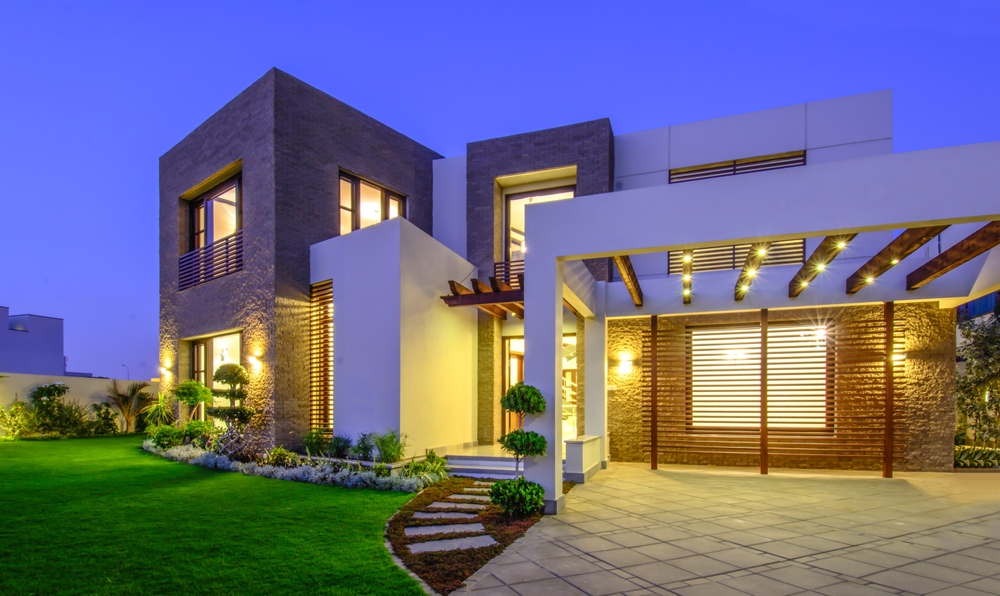
The orientation of a property can influence how much natural light and warmth it receives throughout the day. Windows can be positioned to encourage natural ventilation, while carefully designed overhangs can provide shade during warmer months.
These ideas are often referred to as passive design. Rather than relying entirely on technology, the building itself works more effectively with its surroundings.
A strong connection between the house and its outdoor spaces can be part of the approach too. Large glazed doors, terraces and carefully positioned windows can bring more daylight inside while opening the home to its garden or landscape.
This is why early planning matters. Working with specialists experienced in high-end residential projects, such as Berkeley Place, allows sustainability to be considered alongside the wider design and construction process.
It’s far easier to make these decisions at the beginning than to add them once a property has already been built.
Smart Tech for Energy Efficiency
Technology can make managing a large home considerably easier. It can also help homeowners understand and control how energy is being used.
Smart heating systems, for example, can provide greater control over individual rooms or areas of the property. There’s little point heating an unused guest bedroom to the same temperature as the living room.
Lighting can work in a similar way.
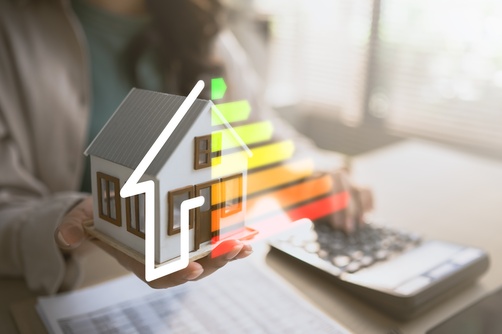
Efficient LED bulbs can be combined with sensors, timers and dimmers. This makes it easier to avoid lighting empty rooms while still creating different moods throughout the home.
Other useful technology can include:
- Heating and cooling: Zoned controls allow different areas of the house to be managed independently.
- Lighting: Sensors and timers can reduce unnecessary electricity use.
- Appliances: Energy-efficient appliances can reduce electricity and water consumption during everyday use.
- Water: Smart irrigation systems can adjust garden watering according to conditions, while leak detectors can identify potential problems.
The aim shouldn’t be to fill a house with gadgets.
The best smart technology is often the technology you barely notice. It simply makes the home easier and more efficient to run.
Choosing Sustainable Materials
Materials have a significant role to play in creating a more sustainable home.
One of the most important considerations is longevity. A well-made material that remains in a property for decades may be a better choice than something that needs replacing every few years.
Responsibly sourced timber, natural stone and reclaimed materials can all work beautifully within luxury interiors.
Reclaimed wood and stone are particularly interesting because they bring character into a property while giving existing materials another life.
Indoor finishes are worth considering too. Low- or zero-VOC paints can reduce the level of volatile organic compounds released into the home.
Rather than choosing a material simply because it’s marketed as sustainable, look at the bigger picture. Consider where it comes from, how durable it is and whether it is suitable for the property.
Long-Term Benefits of Green Homes
There are clear practical reasons to make a home more efficient.
Reducing unnecessary energy and water consumption can help lower running costs. This can become particularly significant in larger properties, where heating, lighting and maintaining extensive grounds can be expensive.
Comfort matters too.
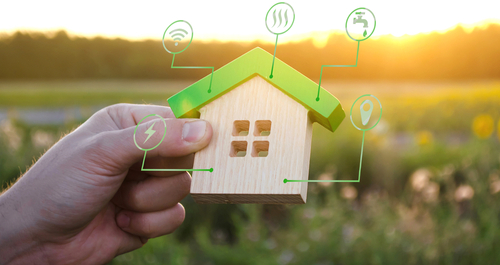
Good insulation can make indoor temperatures easier to manage. Effective ventilation systems can help maintain fresh air and manage moisture, particularly in well-insulated properties.
There are also broader benefits of green building, although the financial return will vary from one property to another.
Not every sustainable feature will immediately pay for itself. Some choices are about long-term running costs, while others improve comfort or reduce the environmental impact of the home.
For anyone building or significantly renovating a luxury property, that’s perhaps the most useful way to think about sustainability.
It isn’t about creating a house that looks green.
It’s about creating one that has been intelligently designed, uses resources more efficiently and remains comfortable to live in for many years to come.
Explore more with Luxury Life, your luxury lifestyle magazine for design, travel and fine living.