Scotland’s Native Oyster Bed Could See a Bumper Year Due to Marine Heatwave
One of the most important oyster beds in Europe is set for a bumper year after water temperatures in Loch Ryan, in south west Scotland, reached an unprecedented 17.8°C at the start of July, more than a full degree above normal summer temperatures. The marine heatwave has created ideal conditions for native oyster reproduction and baby oysters, known as spats.
The Loch Ryan native oyster bed is the last wild native oyster fishery in Scotland, and while native oysters have been fished to near extinction elsewhere in Scotland, this bed has been protected by Royal Charter since 1701.
Tristan Hugh-Jones, Director of Loch Ryan Oyster Fishery Company, said:
“We’ve been monitoring these temperatures closely and this extra degree of warmth should lead to the most successful breeding season in decades. The conditions are exceptional. We could be looking at a bumper spatfall year which will support the growth of this important oyster bed.”
The marine heatwave has implications far beyond Loch Ryan. Due to the importance and high health status of the Loch Ryan bed, its native oysters are used to seed restoration projects from the Firth of Forth to continental Europe. Loch Ryan oysters are a crucial genetic reservoir for a species that has declined by 95%, making it now one of Europe’s most threatened marine habitats.
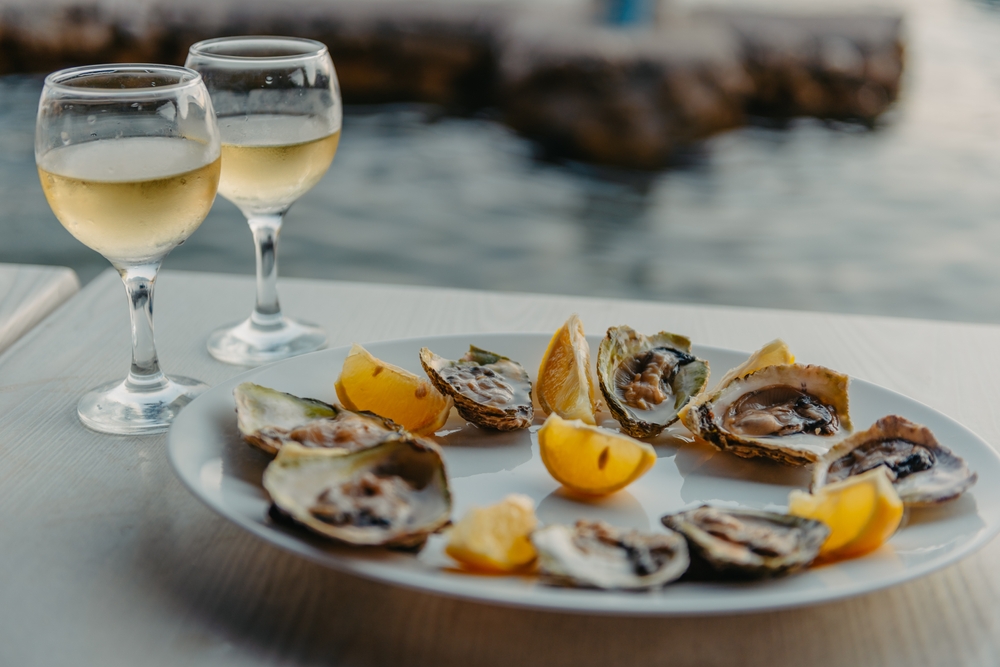
Native oysters are distinct from the more commonly found ‘farmed’ rock oysters, being slower to grow with a flatter shell and a more refined flavour, and they help marine ecosystems by providing important habitat for coastal wildlife.
The news comes as Stranraer Oyster Festival, which takes place from 12-14 September, unveils a marine science programme to complement the popular celebrity chef programme of events. The events include cutting-edge marine research, science talks and hands-on experiences that will bring the hidden world beneath Loch Ryan’s surface to festival audiences, alongside celebrity chef demos, live music, a huge artisan market, and the Scottish Oyster Shucking Championships.
Romano Petrucci, Chair of Stranraer Development Trust, the community organisation that runs Stranraer Oyster Festival, said: “What visitors will experience here is absolutely unique – where else can you watch underwater robots being launched into waters containing 23 million native oysters, then enjoy world-class cookery demonstrations with inspiring celebrity chefs, all while traditional sea songs echo across a loch that’s been protected by Royal Charter for over 300 years?”
Loch Ryan’s unique geography, clean water and long-term sustainable management practices make the oyster bed uniquely resilient. The circular water movement in the sea loch means the oyster larvae are retained in the loch for the first two weeks of their life, which allows them to settle onto the oyster bed to grow and create reef-like structures comprised of clusters of oysters. Careful harvesting practices, taking only the largest 5% of each catch and leaving oyster structures intact, ensures that the breeding population remains robust.
Tristan Hugh-Jones added:
“We know that native oysters are important in marine ecosystems. In fact, right across Europe, there’s a huge amount of interest in the restoration of native oyster beds, but to do that sustainably we need to be able to sell them.
“The more people eat and enjoy natives oyster, the more they’ll support native oyster breeding and growing. It really is that simple. Stranraer Oyster Festival has done an incredible job of shining a spotlight on the ecological treasure that lies beneath the water of Loch Ryan.”
Stranraer Oyster Festival 2025 takes place from Friday 12th to Sunday 14th September, celebrating the start of the native oyster season. Tickets are available with early bird weekend passes from £18. Additional charges apply for selected events, such as celebrity chef demos.
For more information and tickets: www.stranraeroysterfestival.com
Luxury Life Magazine – the luxury lifestyle magazine for discerning readers around the world.