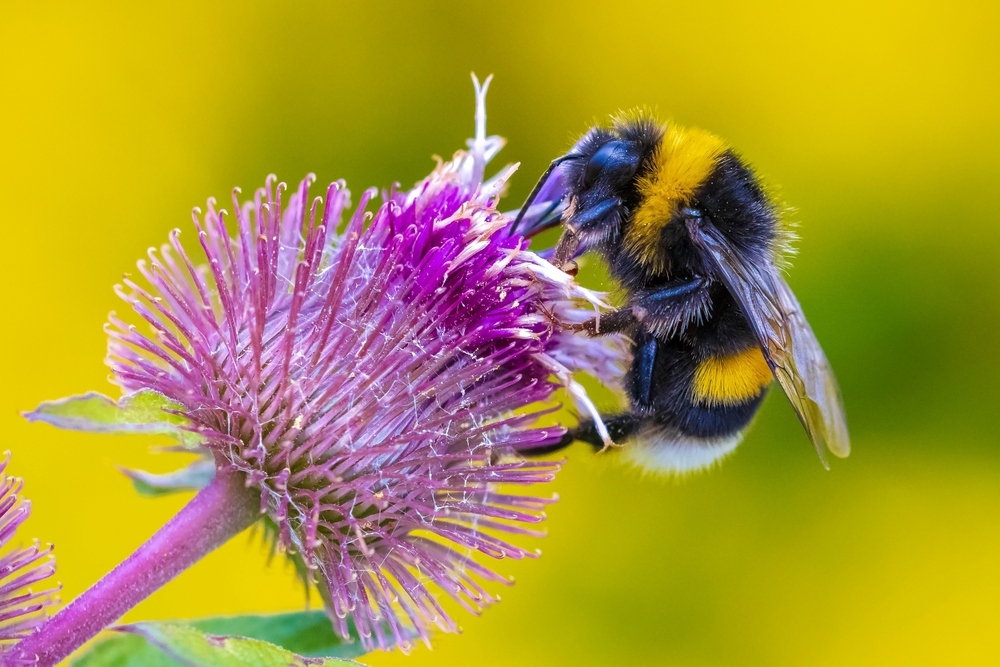
World Bee Day is here and one of the leading online plant retailers, Beards & Daisies, is raising awareness about the vital role bees play in our ecosystems – and how simple, accessible garden tweaks can help support their survival.
Connor Towning, Lead Horticulturist at Beards & Daisies, shares his top, easy wins, for turning any garden into a buzzing sanctuary:
- Plant for Pollinators – “Choose nectar-rich flowers like lavender, echinacea, foxgloves, and cosmos. Bees love single, open flowers they can easily access.”
- Go Wild – “Let a patch of your lawn grow a little wild. Dandelions, clover, and daisies may look overgrown, but bees really love it.”
- Ditch the Chemicals – “Avoid pesticides and herbicides – even the organic-looking ones. They can be lethal to bees and other beneficial insects.”
- Add a Bee Bath – “A shallow dish of water with pebbles for bees to land on gives them a safe place to drink and rest.”
- Plant in Colour Blocks – “Bees are more likely to visit large clusters of the same plant. Group flowers together to create a bigger target.”
- Bee Hotels – “Not all bees live in hives. Solitary bees need safe places to nest. Bee hotels or bundles of hollow stems can do the trick.”
- Bees are early risers – “Add a few early-blooming plants like crocuses or hellebores to give hungry bees something to snack on at the start of spring, before the rest of the garden catches up.”
Small Spaces, Big Impact
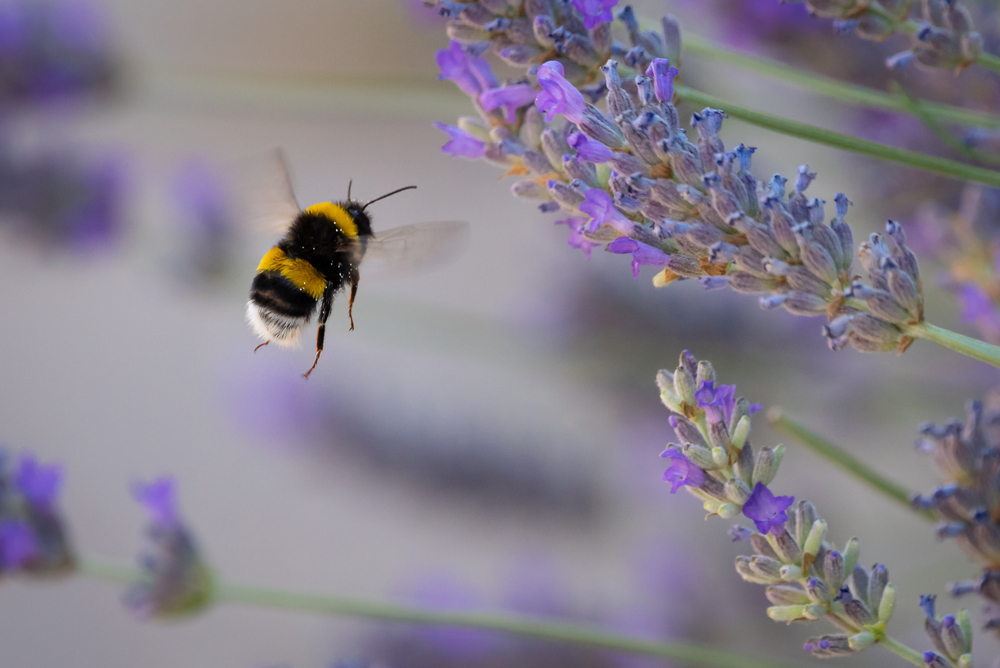
Even urban dwellers with balconies or window boxes can get involved. “Every plant matters,” adds Jo Lambell. “A sunny windowsill, a hanging basket, or even an old teapot filled with soil and flowers can become a mini bee café. It’s about small, thoughtful planting, not space.”
“Whether you’re growing herbs like thyme and rosemary or a window pot of marigolds, you’re offering food and shelter to one of nature’s most important workers.”
This May, Beards & Daisies is encouraging its community and customers to share photos of their bee-friendly plants on Instagram, tagging @beardsanddaisies.
How to Transform Your Garden into a Wildlife-Friendly Biodiversity Hotspot