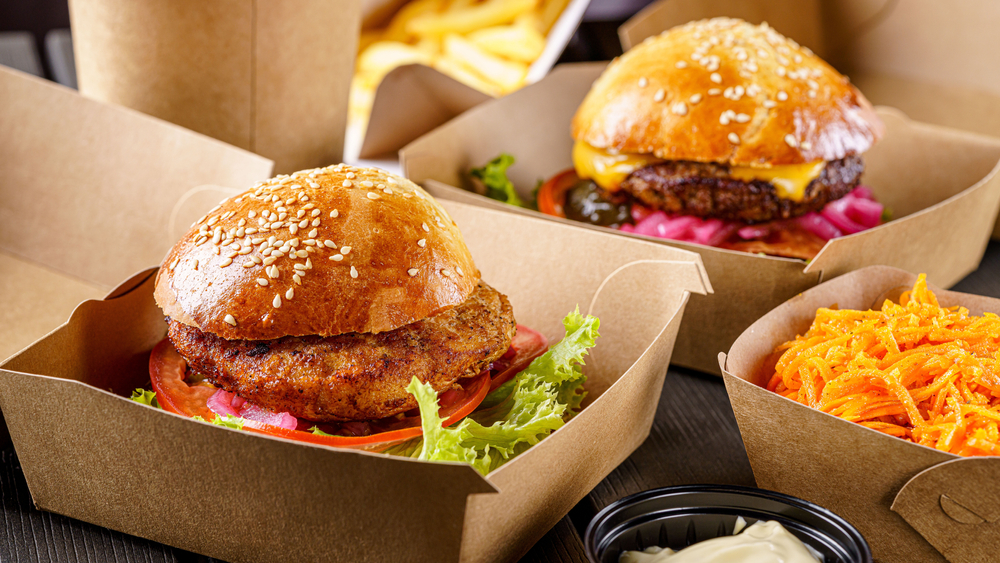
When it comes to packaging food for transport, there are usually two popular choices: plastic and cardboard. Cardboard food packaging is often a better choice than plastic because it is environmentally friendly, biodegradable and recyclable. It provides excellent insulation, keeping food fresh for longer.
In addition, cartonboard is cost-effective, easy to print for branding and can be customised for different types of food. With growing consumer demand for sustainable practices, the use of cartonboard is in line with environmental goals and enhances a company’s reputation as environmentally conscious. Manufacturers like Univest can provide tailored food packaging for different types of businesses:
Food manufacturers and processors

Companies that produce and process food in bulk need to use branded packaging to store, ship and distribute their products. Cardboard is often used to package products such as canned goods, baked goods or dry foods. Beverage manufacturers, snack producers and frozen food suppliers use cartonboard to package their products before they reach retailers or wholesalers.
Farmers’ markets and local food vendors
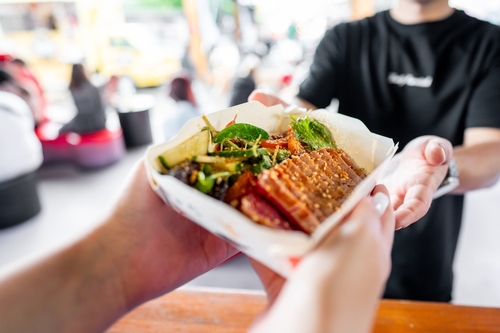
Farmers’ markets, food trucks and small food vendors need packaging to sell fresh produce, sandwiches or takeaway items. Eco-conscious vendors prefer recyclable or biodegradable cardboard packaging, which helps attract like-minded customers. Local food stalls, organic markets and food trucks use cartons, trays and baskets to package fresh produce, pastries and quick bites.
Wholesalers and resellers
Distributors who supply food products to retailers and foodservice establishments often rely on cartonboard packaging to transport goods safely because it is relatively strong, lightweight and can help to organise goods during transport. Food wholesalers, bulk food suppliers and packaging companies use cartonboard to ship and distribute products in large quantities.
Grocery stores and supermarkets
Many grocery stores and supermarkets use bulk packaging for ready meals, deli products and fresh produce. Cartonboard is the preferred choice for bulk storage, stackable containers and single-serve meal packaging. Large grocery chains such as Tesco, Sainsbury’s or Morrisons use cartonboard to package deli sandwiches, takeaway meals and pre-packed fresh salads.
Convenience stores
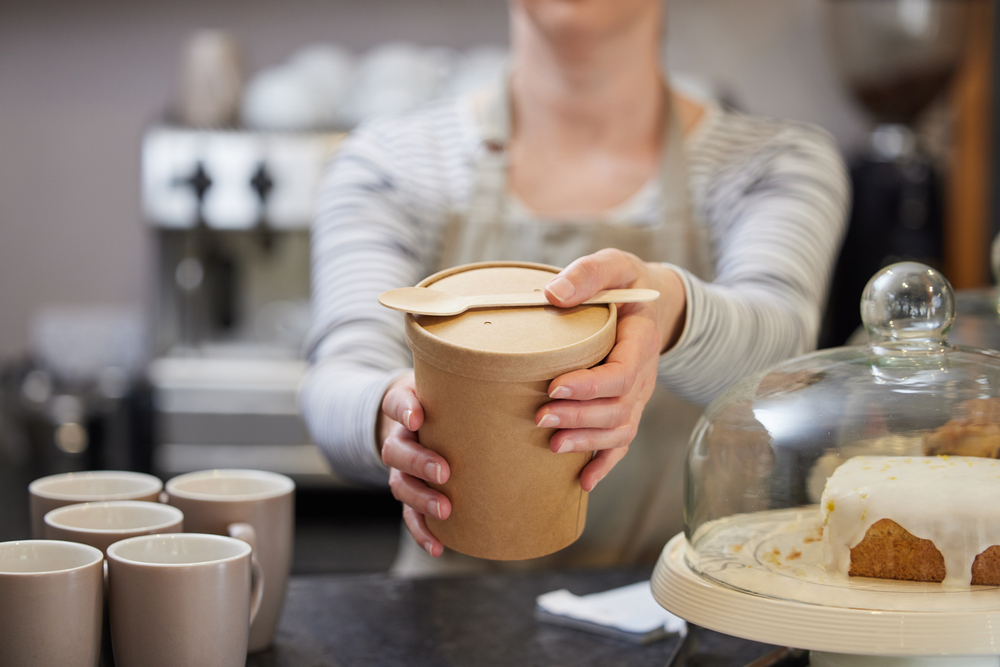
Convenience stores stock a range of ready-to-eat food items, often requiring bulk packaging for sandwiches, salads, and snacks. Cardboard packaging ensures that items like microwavable meals or grab-and-go snacks stay fresh. Cardboard boxes without metal parts or wax coating are safe to microwave, which adds to convenience. Tesco Express, Sainsbury’s Local and Co-op Food, along with other convenience store chains, regularly use carton packs to store and serve their food to customers looking for a quick meal.
Experts Reveal The Cooking Hack Makes Mushrooms ’20 Times’ More Nutritious