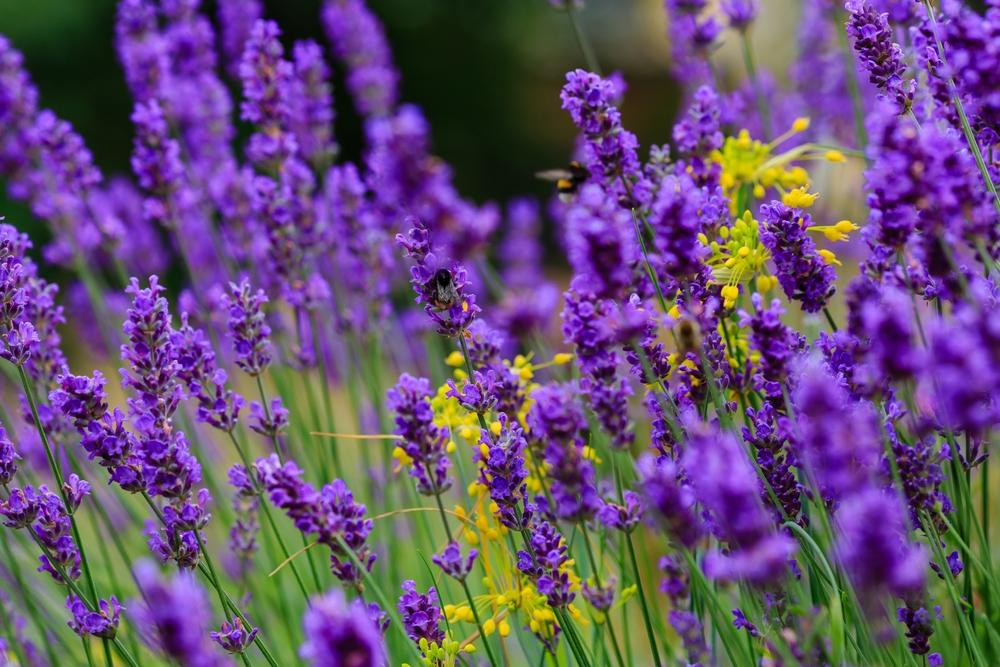
As the sun comes out and garden gatherings get into full swing, there’s one buzzing intruder that always threatens to spoil the fun: wasps. Whether you’re hosting a BBQ, enjoying drinks on the patio, or just soaking up the sunshine, nothing ruins a relaxing afternoon like having to dodge these stinging pests.
And if they decide to stick around and build a nest? That’s when things get really costly, with professional removal fees reaching up to £241.
But before you reach for chemical sprays or call in pest control, one garden expert says there’s a simpler, more natural solution, and it smells as good as it looks.
Liam Cleary, outdoor plants expert at Old Railway Line Garden Centre, says planting lavender is a simple, affordable solution that looks great and keeps the wasps from hanging around your garden.
“Wasps are highly sensitive to strong scents, and lavender is one they really don’t like. Planting it near seating areas, doorways, or patios can help mask the smells that attract them, like food, sugary drinks or perfumes.”
Why lavender works
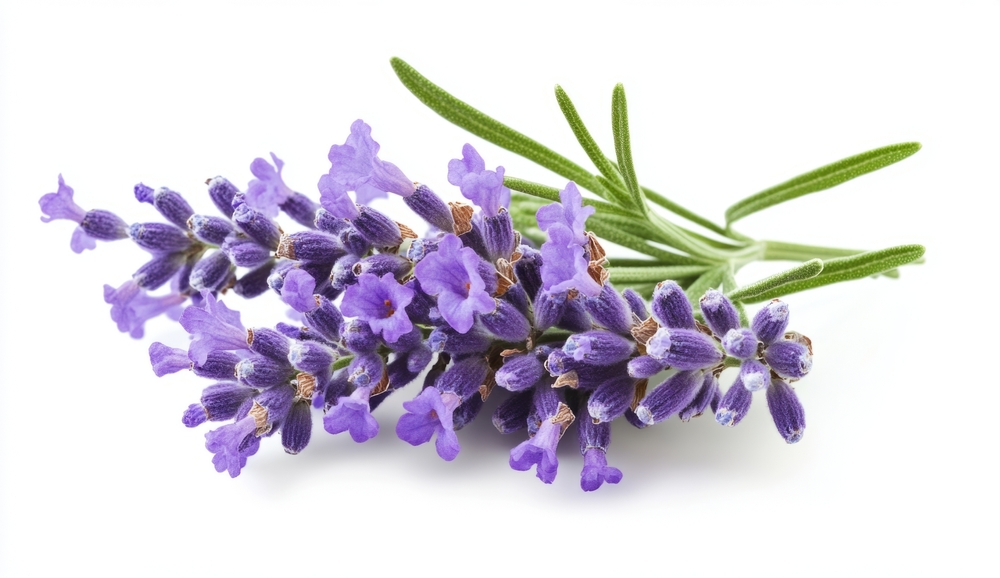
Lavender contains essential oils like linalool and camphor, which give it that distinctive floral smell. While it’s pleasant to humans (and pollinators like bees and butterflies), it’s overwhelming to wasps, which rely heavily on scent to detect food.
It also happens to be one of the easiest and most rewarding plants to grow. It’s drought-tolerant, looks great in any outdoor space, and is available in compact pots for patios or larger varieties to border garden paths – just in time for National Lavender Day on July 9th!
You can pick up a pot of lavender for £6, or lavender seeds for as little as 49p. “It’s low maintenance, smells incredible, and keeps your garden feeling calm, all while helping you enjoy a wasp-free zone.”
How to get the best results:
- Choose a sunny spot: Lavender loves full sun and well-drained soil, so avoid shaded or damp areas
- Go for pots or raised planters: These make it easier to move the plants where needed, and work brilliantly on patios or balconies
- Don’t overwater: Lavender is drought-tolerant and prefers slightly dry conditions. Overwatering can cause it to wilt or rot
- Pair it with other natural deterrents: If you’re prone to wasp visits, try planting lavender alongside mint, thyme, or lemongrass for an extra layer of protection
Wasps become more aggressive from late June into August as their colonies grow and natural food sources decline, making them more likely to pester humans for sugary snacks and drinks.
Other tips to stop wasps ruining your garden:
- Cover food and drinks
- Avoid bright clothing and strong perfumes
- Seal bins and compost