How to Spot Bad Nutritional Advice on Social Media
55% of British Gen Zers use TikTok for information about food, but how do they know they can trust what they learn on social media?
More than 9 in 10 Brits (94%) have witnessed misinformation on social media, from misguided financial advice to harmful medical misinformation. Medical misinformation is on the rise, with a recent study of posts from online platforms revealing that a shocking 87% of posts contain fake medical information.
With this in mind, Dr. Crystal Wyllie at ZAVA explains how to spot bad nutritional advice online.
7 ways to spot bad health advice
Unverified experts
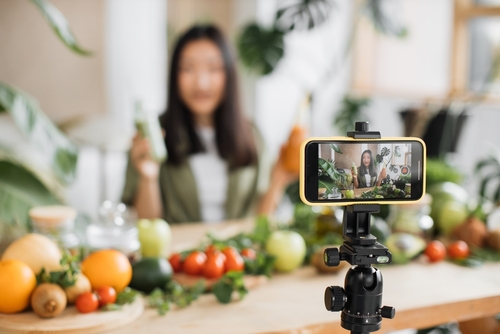
Many online health ‘experts’ are very far from it, with the fitness industry largely unregulated. And with anyone able to give advice online at the click of a button, it’s hard to guarantee whether someone is actually qualified to give advice. One study on social media found that only 16.4% of fitness bloggers report having any fitness or exercise certifications, yet 57% regard themselves as fitness or exercise professionals.
So who can you trust? In the UK, dieticians are the only nutrition professionals to be regulated by law and are governed by an ethical code to ensure the highest standard. Dieticians require a BSc Hons in Dietetics or a related science degree with a postgraduate diploma or higher degree in Dietetics. You can check whether a dietician is registered through the Health and Care Professions Council.
Nutritionists are qualified to provide information about food and healthy eating; however, anyone can call themselves a nutritionist and is not required to be registered to work in the UK. However, many nutritionists belong to the UK Voluntary Register of Nutritionists (UKVRN) and use titles such as Registered Nutritionist, which can be verified on the Association for Nutrition (AfN) website.
Doctors are also helpful sources of health information, but many are not nutrition experts specifically, so they may only be able to provide general advice, but they can also refer you to experts who can help.
When looking at advice, it is important to dig around. The experts, health gurus, influencers, celebrities, nutrition coaches, and personal trainers often lack knowledge and qualifications to give solid and trustworthy advice. Instead, look for real credentials like RD, RDN, MD and PhD.
No sources or context
Without sources, you have no way of telling whether advice is based on scientific research, professionals, word of mouth or even personal opinions. Having the ability to verify sources also reduces the potential for bias or misrepresentation. So keep an eye out for studies, papers and sources listed on posts.
Trendy diet hacks or fads
Diet trends and ‘hacks’ are often very extreme and largely not encouraged by professionals. Advice that encourages potentially disordered eating or harmful tricks shouldn’t be trusted. No trusted professional would ever advise dangerous practices such as excessive detoxes, tapeworms for weight loss, single food diets or extreme calorie restrictions.
Sponsored posts
Sponsored posts are naturally biased, as creators are being paid to promote a product or service. Online users promoting fat-burning teas, green juices or even electrolytes are mostly for their profit, not for the sake of your health.
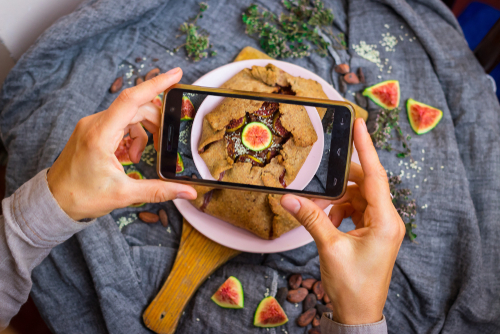
Be cautious of creators and online personalities peddling products, highlighting only the positives of products, glossing over risks, side effects or limitations. Many sponsored posts don’t reference studies, or if they do, they may be too small, low-quality or even funded by the brand themselves, creating a bias. In some cases, some influencers may not have even tried the product they “love” and credit for their ‘glow up’.
Fear or shock value
Some social media posts use clickbait and shock factor to gain attraction and often use certain foods and phrases that gain attraction through fear or shock factor, such as “carbs are evil”, “toxins”, “chemicals”, or even “this common food is poisoning your body”.
These posts are often misleading users into fearing foods, oversimplifying nutrition, promoting food fixation and encouraging extremes, and users cutting out entire food groups.
These shocking videos are used to drive engagement, not to educate and improve the health of viewers.
Deepfake doctors
Deepfakes are videos, audio or images that have been edited or generated by using artificial intelligence (AI) to create realistic but fake content, often to spread misinformation or sell products. Many notable celebrities, politicians and experts have been the victims of deepfakes, including doctors. Many UK TV doctors, such as Hilary Jones and Tim Spector, have been used to sell scam health products. Many deepfakes are hard to distinguish, which makes them incredibly dangerous for online users.

Some red flags that can help you identify a deepfake are visual clues such as unnatural facial movements, fuzzy edges, out-of-sync audio that doesn’t match mouth movements, robotic gestures, lack of sources and sensational claims.
Before and after transformations
Before and after transformations are great ways to see others’ results and give an indication of the effectiveness of fitness plans, weight loss medication and diets. But sometimes they can be deceiving, with overly edited images, lighting and posing changes and even different people and timelines.
Before and after transformations should acknowledge that every person’s results differ, and not be accompanied by promises of certain results; and if you cannot easily identify that they are the same person, then it is a significant red flag.
Dr. Crystal Wyllie from ZAVA explains why medical misinformation is a major concern:
“With many people using platforms such as TikTok as their primary search engine and to find health information, it leaves millions at risk of seeing and believing medical misinformation. Knowing how to determine whether what you are seeing is factual or fake is the first step to protecting yourself. Before taking advice from social media, check whether it is reputable, and before following online diets and trends, be sure to consult with a healthcare professional”.
Luxury Life Magazine – the luxury lifestyle magazine for discerning readers around the world.