
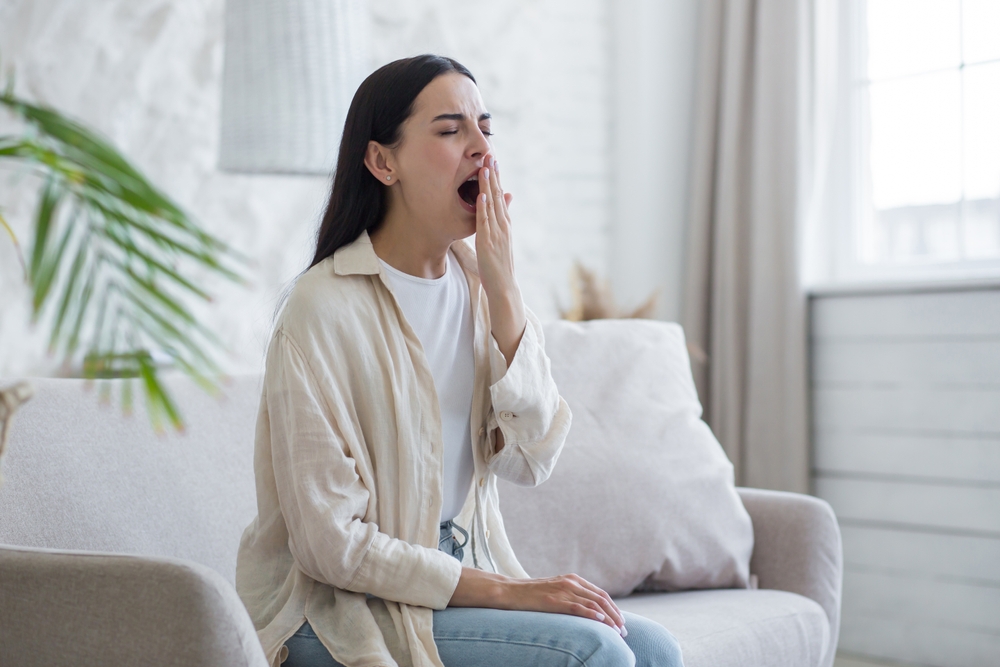
ACCORDING to a recent survey*, lack of sleep is the biggest contributor to stress in the UK, with 41% of adults citing tiredness as their primary source of anxiety, surpassing financial worries, workload concerns, and family issues.
Lack of sleep can lead to a vicious cycle of stress and exhaustion, with one issuing feeding the other. Feeling anxious can prevent you from drifting off easily into a deep sleep, with tiredness from poor-quality sleep then leaving you struggling to cope with daily life, again heightening feelings of stress and the cycle begins once more.
Quality sleep is crucial for breaking the loop, as it allows us to rest and recharge, helping us manage stress better and keep our minds and bodies healthy.
As the demands of busy modern life continue to impact sleep quality, Woolroom, the UK’s leading provider of sustainable wool bedding, is raising awareness of the critical connection between sleep and stress. Chris Tattersall, sleep environment expert and managing director of Woolroom, offers his expert advice to help achieve better sleep when coping with feelings of worry and stress.

- Establish a sleep routine
Maintaining a bedtime and wake-up schedule is one of the most crucial improvements you can make to your sleep quality. Being consistent with your sleep routine helps to regulate your internal clock, making it easier to drift off to sleep and wake up feeling refreshed. It is also a simple but effective way to manage stress as sticking to a routine helps bring a sense of structure, predictability and a calming rhythm to your evening.
- Choose bedding that aids sleep
Stress can trigger night sweats, or can be brought on by allergies, so make sure you’re choosing bedding that works in harmony with your body. Natural options, such as wool duvets and wool mattresses are hypoallergenic and will regulate your temperature as you sleep, meaning you can achieve better quality, deeper sleep that leaves you feeling more prepared to take on the stress of the day.
- Identify your stressors
Understanding why you are stressed is important as, a lot of the time, once you know what is triggering it you can try to take action to address it or minimise it. Identifying the root cause is important as it allows you to pinpoint any patterns or situations that are causing you worry, and feel more in control to make positive changes and prepare coping skills for if they happen again.
- Limit caffeine and screen time late in the day
Try to avoid stimulants like caffeine and screen time late in the day if you want to feel calm and ready for bed. Whilst that coffee at 4 pm may seem like a good way to keep going until the end of the day, caffeine stays in your body for up to 15 hours after consumption.
Similarly, I would advise staying away from screens for at least an hour before bed. Phones and laptops not only emit blue light, which mimics daylight and suppresses melatonin (the sleepy hormone), but they also often keep us connected to stressors, such as work, and make it difficult to unwind.
- Practice relaxation tips
Relaxing can look different to everyone; the key is doing something an hour or two before bed to allow yourself to unwind and signal to your body that it is time to rest. For some people that could be something simple like reading a book or deep breathing, or for others it might be meditation or yoga. There are even yoga poses you can do from the comfort of your bed!
- Create a calming sleep environment
Typically for a healthy sleeping environment, I would advise reducing any light and noise disruptions, however, if you’re stressed that might not necessarily be helpful. Sometimes, being in total darkness and silence can trigger stress and you might struggle to switch your mind off. If that is the case I would recommend trying a plug-in night light and some white noise to help distract your mind and drift off more easily.

A calming, healthy sleeping environment doesn’t stop at your bedroom setup; it’s also about your bed and sleepwear. Choosing breathable materials for your bedding and pyjamas is key to keeping your temperature regulated through the night. Synthetic fabrics could leave you feeling too hot or cold, disrupting your sleep and adding to your tiredness troubles. I would always opt for natural materials, such as cotton or linen bedding sheets and pyjamas, that will work with your body and let you sleep comfortably all night long.
- Keep fit and healthy
When you’re stressed it can be difficult to feel motivated to exercise, but regular movement is so important for your overall health and your sleep quality. Not only does physical activity help to lower stress hormones such as cortisol, but it also releases endorphins. These are natural mood boosters that reduce feelings of anxiety, help with sleep quality and are also known as the body’s natural painkillers.
*Based on survey results from August 2024 published by Ciphr.