
The Smart Driver’s Guide to Long-Term Car Ownership
The moment you drive a new car off the forecourt is just the beginning. The real journey of car ownership stretches out over years, filled with use, maintenance, and financial planning. When you manage your vehicle well, it stays a valuable asset and a reliable part of your daily life, instead of becoming a source of unexpected stress and expense. This guide covers the main things every driver should think about after they get their keys.
Choosing Your Next Vehicle Wisely

A good ownership experience starts with picking the right car in the first place. Your choice should fit your lifestyle, budget, and what you’ll need in the long run. Think about your typical drives: are they short trips around the city or long motorway commutes? Do you need room for family and luggage, or is a smaller model better? Being honest about what you need is the first step. The car buying process involves more than just the price tag; you also need to consider running costs like insurance, tax, and how much fuel it uses. Brands known for being reliable and practical, such as the latest range of Subaru cars, often make good investments because they last, and owners tend to be very happy with them.
Essential Car Maintenance Tips
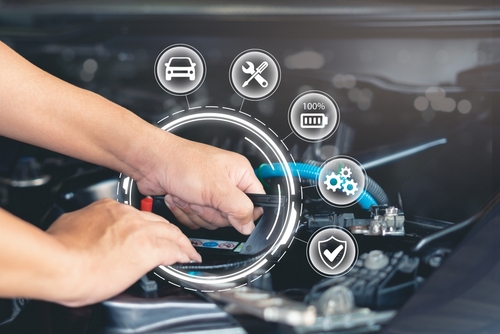
Regular maintenance is essential to keep your car lasting longer, staying safe, and performing well. Following the manufacturer’s recommended service schedule is the best way to keep your vehicle in top shape. These service intervals are set up to catch wear and tear before it turns into a big problem. Besides professional servicing, simple checks you do yourself can make a real difference. You should regularly check your tyre pressure, engine oil, and coolant levels, and make sure all your lights are working. Doing these things can help you make your car last longer and keep its value. A clean car, both inside and out, also stops paintwork and upholstery from wearing out too soon.
Understanding Depreciation and Resale
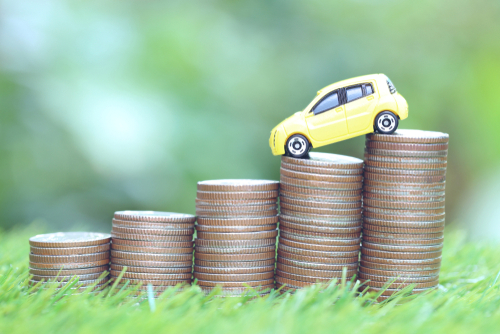
Depreciation is one of the biggest hidden costs of owning a car. It’s when your vehicle slowly loses value over time, usually dropping the most in the first one to three years. While you can’t stop depreciation completely, you can take steps to lessen its impact. Choosing a car model known for holding its value is a smart first move. Also, keeping a full service history, not racking up too many miles, and looking after the car’s appearance will all help you get a better resale price when you decide to sell or trade it in. A car that’s been well looked after is always more appealing to the next buyer, meaning you’ll get a better price and your next purchase will be more affordable.
Insuring Your Vehicle Correctly
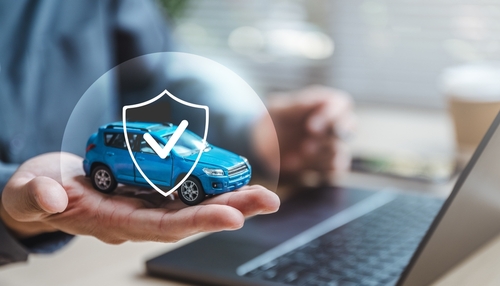
Car insurance is a legal requirement and crucial financial protection. Choosing the right policy isn’t just about finding the cheapest quote; it’s about making sure you have the right amount of cover for your situation. Comprehensive insurance gives you the broadest protection, covering damage to your own car as well as claims from other people. Your premiums depend on several things, like your age, driving record, postcode, and the car’s insurance group. To keep costs down, you could increase your voluntary excess, build up a no-claims bonus, and install security features like an alarm or immobiliser. Always be upfront with your insurer about how you use the car to make sure your policy stays valid.
Planning for Future Car Upgrades
Even if you love your current car, it’s smart to think ahead. Your needs might change; a growing family could mean you need a bigger vehicle, or a new job might make an electric or hybrid model more economical. Start planning for your next car purchase early. Putting aside a small amount each month can build up a good deposit, reducing how much you need to borrow later. Stay informed about what’s happening in the car industry, from new safety tech to better fuel efficiency. Knowing your options will put you in a strong position when it’s time to upgrade.
Thinking of your car as a long-term investment, not just a purchase, really improves your ownership experience. Being proactive about maintenance, finances, and planning for the future ensures your vehicle will serve you well for many years.




One Response