Why Patek Philippe Could Overtake Rolex as the Ultimate Status Watch in 2026
For decades, brands like Rolex and Cartier have dominated the public conversation around luxury watches. But according to luxury watch specialist Arif Mughal of Luxe Watches, there’s been a quiet but significant shift happening in the market.
“Rolex will always be iconic,” says Mughal. “But over the last few years, we’ve seen serious collectors and high-profile clients increasingly gravitate toward Patek Philippe. It’s no longer just a collector’s brand, it’s becoming the ultimate modern power signal.”
Celebrity Endorsement Without the Endorsement
Unlike overt brand ambassadors, Patek’s rise hasn’t been built on flashy marketing campaigns. Instead, it’s been organic.
- Victoria Beckham has been seen wearing a Patek Philippe Gondolo 7042/100R-010, valued at over £204,000.
- Marcus Rashford has worn the intricate Patek Philippe 5180/1R-001, priced above £105,000.
- Conor McGregor took things even further with a limited edition Patek Philippe 5905P-014, reportedly worth £845,000.
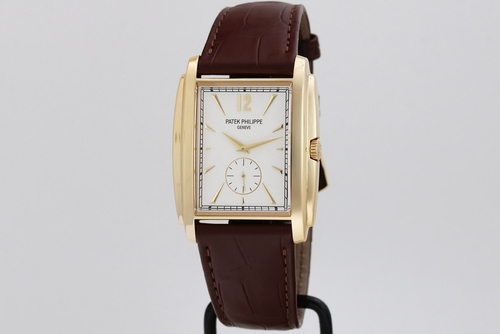
When high-profile figures across fashion, sport and entertainment independently choose the same brand, it signals something deeper than trend – it signals status alignment.“Celebrities don’t just buy watches for aesthetics,” Mughal explains. “At this level, they’re buying heritage, complication, exclusivity, and long-term asset value.”
Why Patek Is Surging in Popularity
According to Arif Mughal of Luxe Watches, Patek Philippe’s acceleration isn’t accidental — it’s structural. “We’re seeing a shift in what luxury means,” he explains. “It’s less about instant recognition and more about informed ownership.” In his view, there are four core forces driving the brand’s growing dominance.
True scarcity is the foundation. Patek Philippe produces significantly fewer watches each year than mass-recognised competitors like Rolex, maintaining tight control over distribution and production. That limited output sustains long waiting lists and strong resale premiums, particularly for complicated references and precious metal pieces. “When supply is genuinely constrained at the manufacturing level, value resilience follows,” says Mughal. “Collectors understand that they’re buying into rarity, not hype.”
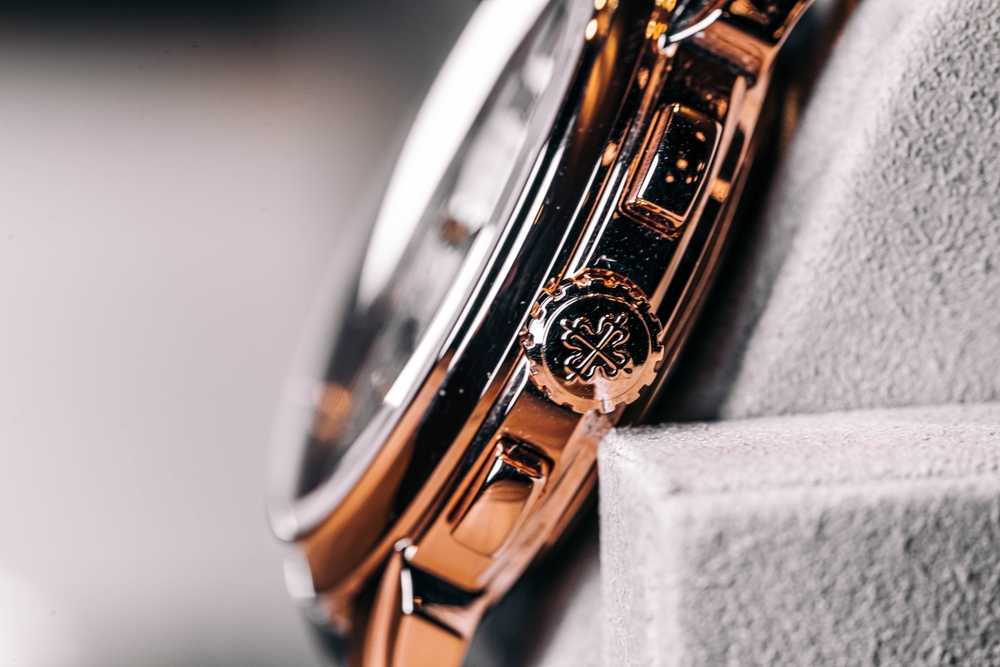
The second factor is understated wealth signalling. While some brands are designed to be recognised instantly across a room, Patek often requires knowledge to identify. The clean dials, classic cases, and focus on mechanical artistry mean the watch doesn’t shout — it speaks quietly to those who understand horology. For ultra-high-net-worth buyers, that discretion is the appeal. “There’s a growing preference for pieces that signal taste rather than visibility,” Mughal notes. “Patek is a nod between insiders.”
Third is investment stability. Certain limited references and high-complication models — particularly within collections such as the Nautilus and Grand Complications — have demonstrated remarkable strength on the secondary market over the past decade. While all luxury assets fluctuate, historically significant Patek models have shown resilience during broader market corrections. “Serious buyers look at heritage, mechanical complexity and long-term brand stewardship,” Mughal explains. “Patek scores highly on all three, which is why it’s often viewed as a generational hold rather than a seasonal purchase.”
Finally, there’s the broader cultural shift toward ‘quiet luxury’. Fashion and luxury have moved away from overt logos and conspicuous consumption toward refined craftsmanship and subtle cues of wealth. Watches are following that same trajectory. As Mughal puts it: “We’re entering an era where the loud flex is fading. Patek sits perfectly in the quiet luxury movement — it represents confidence, not performance.”
Together, these forces are reshaping buyer behaviour. What was once considered a connoisseur’s brand is increasingly becoming the benchmark for modern luxury ownership.
Discover more from Luxury Life, a leading luxury lifestyle magazine for modern living.