The Popular European Destination Getting Brits’ Tongues in a Twist
Holidu has found out which travel destinations around the world trip people up the most, analysing Google search data about the pronunciation of different places.
But for many travellers, saying which destinations you’ve been to or are going to can cause anxiety when it comes to actually pronouncing their names correctly!
Take Dubrovnik, for example. The Croatian hotspot has become increasingly popular in recent years, but despite its global recognition, the correct pronunciation – ‘DOO-brov-neek’ – is still often fumbled.
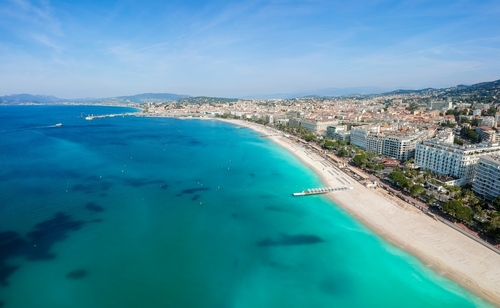
And what about the French city, Cannes? Most English speakers still say ‘CANS’ instead of ‘kan’.
It seems that many travellers are worried about slipping up with their pronunciation, because there are thousands and thousands of searches each day about how to correctly say different international places!
The Most Mispronounced Travel Destinations By Brits, Ranked
Top 3 Most Mispronounced Destinations for UK Travellers
1. Kraków (600 monthly searches)
Poland’s former capital tops the UK list, reflecting growing British interest in Eastern European city breaks. The correct pronunciation is “KRAH-kuff” with a rolled ‘r’, but many Brits incorrectly say “KRA-cow” or “KRAK-ow,” missing the Polish phonetic nuances entirely.
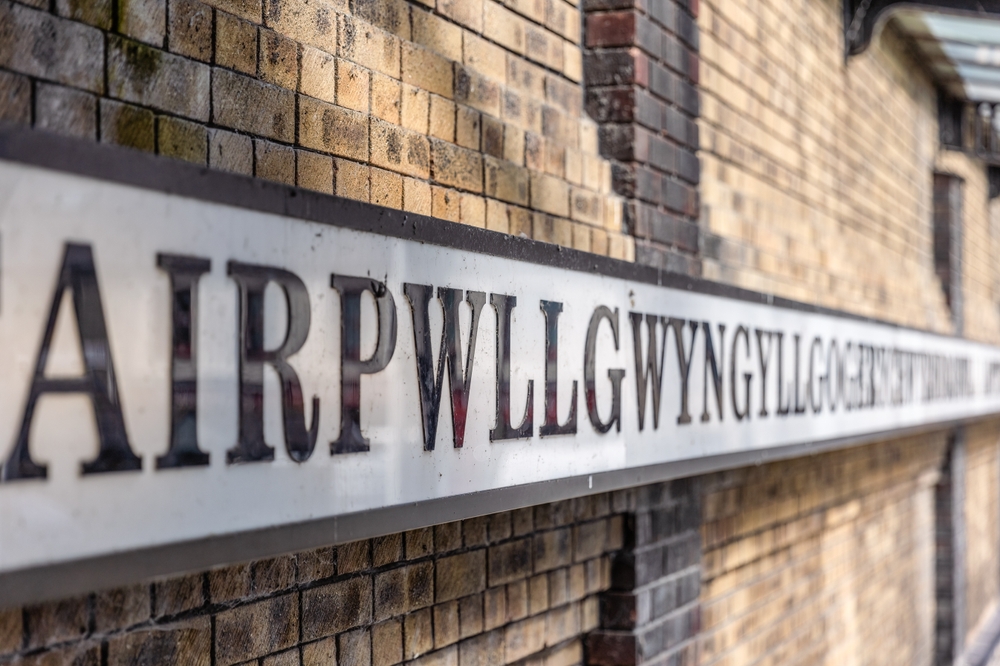
2. Llanfairpwllgwyngyllgogerychwyrndrobwllllantysiliogogogoch (500 monthly searches)
This Welsh village holds the record for the longest place name in Europe and, unsurprisingly, causes panic amongst any travellers attempting to say it aloud! Here is how to pronounce Llanfairpwllgwyngyllgogerychwyrndrobwllllantysiliogogogoch: klan-vai-uh-puhth-gwin-guhth-guh-uh-uh-thwuhn-dro-buhth-luhn-tuh-si-lee-ow-go-go-gok – a 58-letter tongue-twister that even Welsh speakers approach with caution!!!
2. Türkiye (500 monthly searches)

Formerly known as Turkey, Türkiye officially changed its name in 2022, and it seems that British holidaymakers are still adjusting. The correct pronunciation is “TOOR-kee-yeh”, with emphasis on the first syllable. The Turkish ‘ü’ sound doesn’t actually exist in English, so it’s particularly challenging for British tongues!