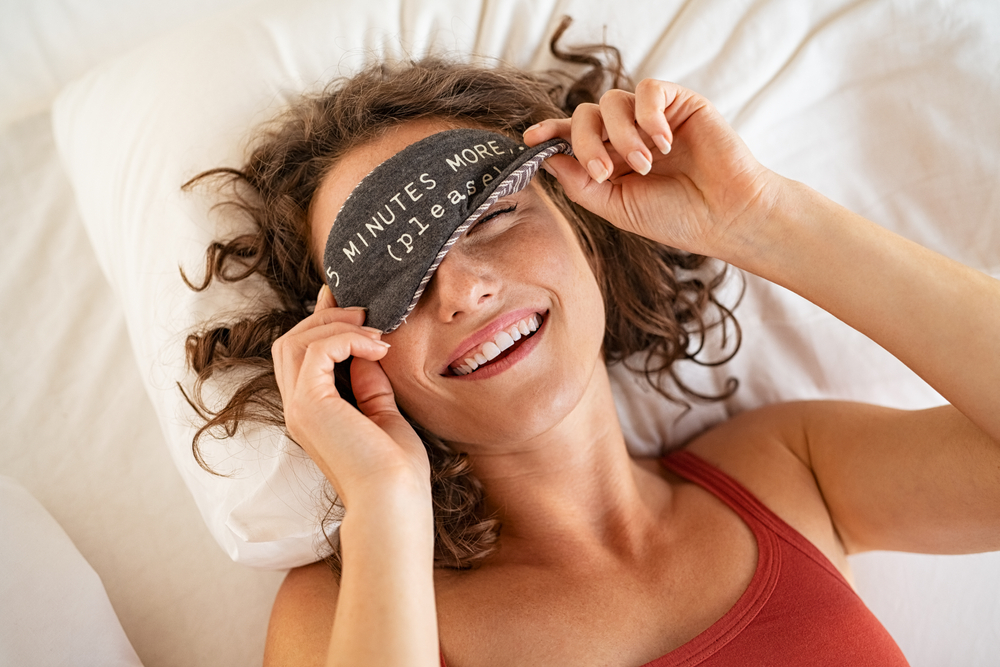
Bedtime habits signal t the brain that it is time to wind down, boosting melatonin and contributing to a better night’s sleep.
STRIVING for the perfect night’s sleep is something we can all relate to, and with an abundance of hacks, tips, tricks and trends, taking to the internet can often leave us feeling overwhelmed and unsure of what will truly achieve those well-deserved zzz’s.
According to Chris Tattersall, sleep expert and managing director of leading natural bedding brand Woolroom, regardless of current trends, good sleep hygiene is the foundation to truly restorative sleep. Here, Chris delves into five of the biggest trends from #sleeptok to bust some myths and tell you where to invest your time and money to optimise your sleep environment and perfect your nighttime routine.
The trends: myth or magic?
- Mouth taping
Increasingly popular with those who struggle with issues ranging from sleep apnea and snoring to bad breath, the mouth taping trend involves encouraging breathing through the nose by taping the mouth shut before sleep. Breathing through your nose supports better oxygenation, filtering air more effectively than mouth breathing.
Although many of the claims haven’t been scientifically studied, anecdotal evidence suggests that the technique has the potential to ease issues such as snoring, fatigue, lack of concentration and bad breath.

The bottom line is that there are many causes for snoring, and therefore many solutions that may help to ease the symptoms. One option is to switch to hypoallergenic sleep fibres such as those in wool bedding. As it is a naturally anti-bacterial fibre, wool prevents the buildup of any debris and dander that house dust mites feed off, as well as being self-cleaning.
- Supplementing: sleep girl mocktail
Supplementing for sleep is not new. Melatonin has long been used as a sleep aid – regulating circadian rhythms and supporting the onset of sleep for individuals with insomnia or delayed sleep phase syndrome.
Planting this firmly in the mainstream, the ‘sleepy girl mocktail’ – a combination of melatonin-rich tart cherry juice and magnesium powder – recently gained popularity on TikTok.
Although initial studies into the effectiveness of both tart cherry juice and magnesium are promising, there is no scientific evidence that mixing these in a mocktail, or the quantities used, will significantly improve sleep. What can be said, however, is that anything that helps establish a bedtime routine will contribute to a better night’s sleep. Whether this be meditation and yoga or simply lowering the lights and making yourself a bedtime beverage, bedtime habits signal to the brain that it is time to wind down and these activities can naturally boost melatonin, contributing to a better night’s sleep.
- Sleep tracking
With the rise of those wearing devices such as smart watches and rings for fitness purposes, they are also being seen for their potential to give insights into individuals’ sleep patterns. By monitoring body movements and heart rate, among other things, they can analyse factors such as sleep duration, time spent in different sleep stages and overall sleep quality.

The main benefit of using a wearable sleep tracker is that they can give you insights into your sleep that you wouldn’t otherwise have access to. Some smart watches will even provide you with an energy score each morning.
- Reducing blue light exposure
How many times have you heard that you’ll sleep better if you switch your bedtime scroll for a good book? While you may have seen this on TikTok during your daily doomscroll, what you may not realise is that the blue light produced by the likes of your phone screen mimics the effect of daylight and suppresses melatonin production. Not only does this disrupt our circadian rhythms, but it can also leave us overstimulated in the lead up to bedtime.
The best case scenario is turning off phones, tablets, laptops and TVs two hours or more before bedtime to overhaul your sleep quality, instead you can try journalling to set yourself up for restorative sleep and boost your mood upon waking. When this isn’t possible, you can also use night mode on your devices throughout the evening to negate the impact of blue light on your sleep quality.
- Sleep divorce
Contrary to what the name suggests, this final trend has no relation to your marital status, in fact, evidence suggests that those of us in a romantic relationship may benefit from going through a sleep divorce from our partner. With the aim of prioritising your sleep needs by sleeping in separate rooms, the trend claims to benefit those who have different sleep schedules or environmental preferences to their partner.

A key consideration whether sleeping alone or with a partner is heat regulation, as being too hot is often the number one disruptor to a great night’s sleep. To mitigate the need for a sleep divorce, first consider switching to a wool duvet – its temperature regulating and moisture managing properties keep you cool when it’s hot and warm when it’s cold, unlike synthetic fibres. This is not only great for individuals but also balances temperatures between two sleepers, avoiding any further disruption.
Sleepmaxxing vs sleep hygiene
As these sleep trends gain traction on social media, as does the term ‘sleepmaxxing’. While many of us may have used a sleep trend or two in isolation, sleepmaxxing encourages the introduction of many techniques simultaneously.
Including changes to routine and lifestyle, significant parallels can be drawn to sleep hygiene – and we don’t mean how clean your sleep is. Although having a clean space plays a part, the key is to establish a routine around a set bedtime and wake-up time and differentiate your sleep environment from any other setting.
To explore Woolroom’s full range of natural and hypoallergenic bedding visit: https://www.thewoolroom.com/
Brew Benefits: How Your Daily Cuppa Supports Brain, Bones & Mood