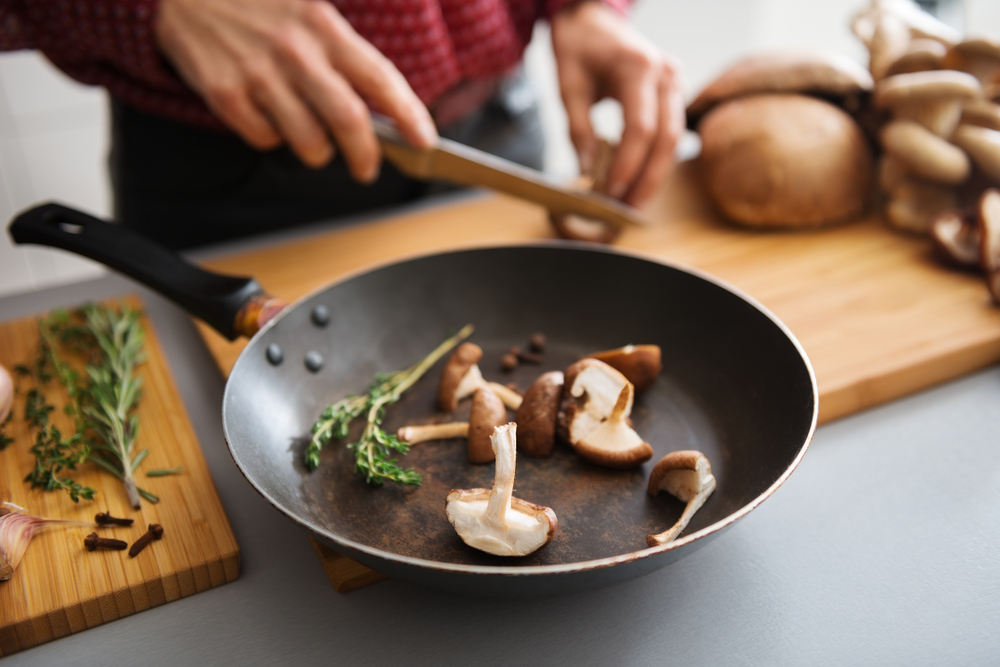
Mushrooms are versatile ingredients that can transform a dish with their deep umami flavour, but many home cooks make common mistakes that prevent them from reaching their full potential.
Whether it’s using the wrong variety, adding seasoning too early, or overcrowding the pan, these errors can impact the texture and taste of mushrooms.
Elliot Webb has shared his thoughts on the most common mistakes and how to fix them. Webb, founder of mushroom cultivation company Urban Farm-It, and author of Growing Mushrooms at Home, provides expert insight into how to get the best results when cooking mushrooms.
1. Choosing the Wrong Type of Mushroom
Not all mushrooms are created equal, and picking the wrong variety for a dish can have a big impact. Different mushrooms have unique flavour profiles and textures, and understanding these distinctions is key to getting the best results.
“A common mistake is assuming all mushrooms can be used interchangeably,” explains Webb. “For instance, shiitake mushrooms have an intensely earthy flavour and a firmer bite, making them less suitable for dishes that require mushrooms to absorb flavours, such as creamy sauces.”
Instead, Webb suggests following recipe recommendations or researching appropriate substitutes. “If a dish calls for delicate mushrooms like white buttons or oyster mushrooms, don’t swap them for something dense like portobellos, as it will drastically alter the dish’s texture and balance.”
2. Washing Mushrooms Incorrectly
Mushrooms naturally contain a high percentage of water, so washing them improperly can cause them to become soggy and lose their texture.
“Submerging mushrooms in water is one of the biggest mistakes,” says Webb. “Mushrooms act like sponges, so if you soak them, they’ll absorb too much moisture, making them difficult to brown properly when cooking.”
Instead, Webb recommends gently brushing off dirt or using a damp paper towel to wipe them clean. If you must rinse them, do it quickly and require cold running water and pat them completely dry before cooking.”
3. Discarding the Stems
Many people throw away mushroom stems, assuming they aren’t useful, but they can be packed with flavour.
“The stems of most mushrooms are just as delicious as the caps,” says Webb. “While shiitake stems can be tough, they’re fantastic for making stocks and broths, so don’t waste them.”
For softer mushrooms like oyster or button varieties, Webb recommends slicing the stems and using them as you would the rest of the mushroom. “They add more texture and depth to a dish and shouldn’t be discarded.”
4. Overcrowding the Pan
Cooking mushrooms in a crowded pan is a surefire way to end up with limp, rubbery mushrooms instead of beautifully browned ones.
“When mushrooms are packed too closely together, they steam instead of sear,” Webb warns. “To get that rich, golden colour and deep umami flavour, cook them in batches with plenty of space between them.”
Using a large frying pan can help ensure even browning. “If you want them to caramelise properly, let them sit undisturbed for a minute or two before stirring.”
5. Adding Butter Too Early
While butter adds incredible flavour to mushrooms, adding it too soon can cause problems.
“Butter has a low smoke point, which means it burns quickly,” Webb explains. “If you add it at the beginning, it can scorch before the mushrooms release their moisture.”
Instead, Webb recommends cooking mushrooms in a neutral oil first and then adding butter towards the end for that rich, finishing flavour.
6. Salting Mushrooms Too Early
Salt is essential for seasoning mushrooms, but adding it too soon can be detrimental.
“Salt draws out moisture, and if you add it right at the beginning, the mushrooms will release water too quickly and become rubbery instead of browning properly,” Webb advises.
The best approach is to wait until the mushrooms are almost done cooking before seasoning them. “Once they’ve browned and most of the liquid has evaporated, that’s when you should add salt.”
7. Cutting Uneven Slices
Cutting mushrooms into uneven pieces leads to inconsistent cooking, with some pieces overcooked and others undercooked.
“Uniformity is key,” says Webb. “If you’re using whole mushrooms, slice them evenly so they cook at the same rate. Uneven pieces will cause some mushrooms to burn while others remain undercooked.”
8. Undercooking Mushrooms
Cooking mushrooms quickly over low heat might seem convenient, but it doesn’t allow them to develop their signature depth of flavour.
“Undercooking mushrooms means they won’t fully develop their umami richness,” Webb explains. “You need to cook them long enough for their moisture to release and evaporate, allowing them to caramelise.”
Additionally, some mushrooms, like white button mushrooms, contain a natural compound called agaritine, which can be reduced through proper cooking. “Cooking mushrooms thoroughly helps break down compounds that may be difficult to digest when raw.”
9. Not Preparing Portobello Mushrooms Correctly
Portobello mushrooms are a popular meat substitute, but they require proper preparation.
“A lot of people leave the gills intact, but removing them improves both the texture and presentation,” Webb suggests. “Scraping out the gills prevents dishes from becoming too dark and muddy in appearance.”
Additionally, he recommends scoring the surface of the mushroom caps to help them cook evenly and absorb marinades better.
10. Overlooking Dried Mushrooms
Dried mushrooms often get overlooked, but they are packed with intense umami flavour and have a longer shelf life.
“Dried mushrooms, like shiitake or porcini, offer a depth of flavour that fresh mushrooms sometimes can’t match,” Webb notes. “
Rehydrating them in warm water before use not only softens them but also creates a flavourful broth that can be used in soups and sauces.”